A router bit leaves a round corner. A hinge leaf is square. Screw the leaf down over that radius and the door sits proud, the paint cracks at the edge, and the screws work loose the next time the door slams.
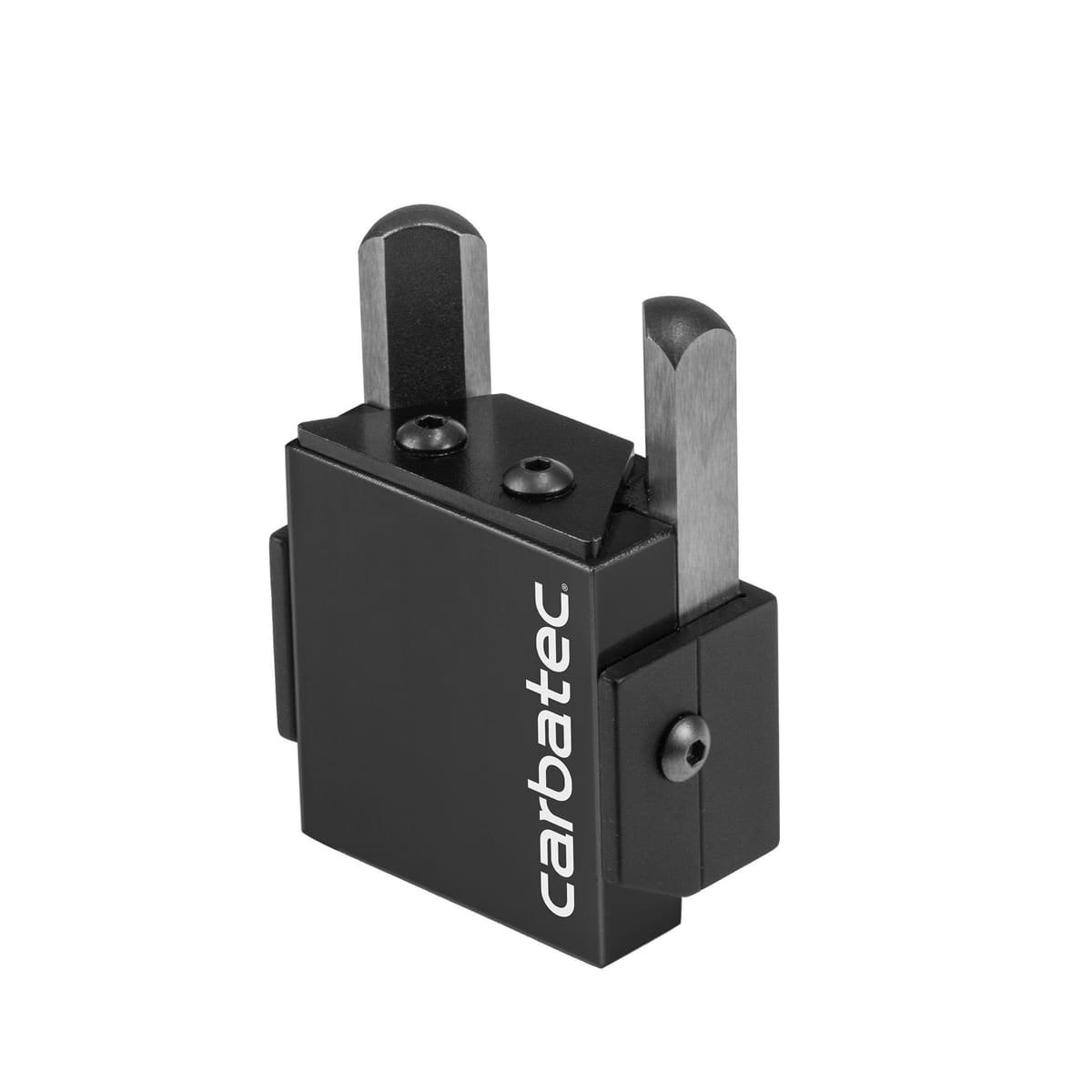
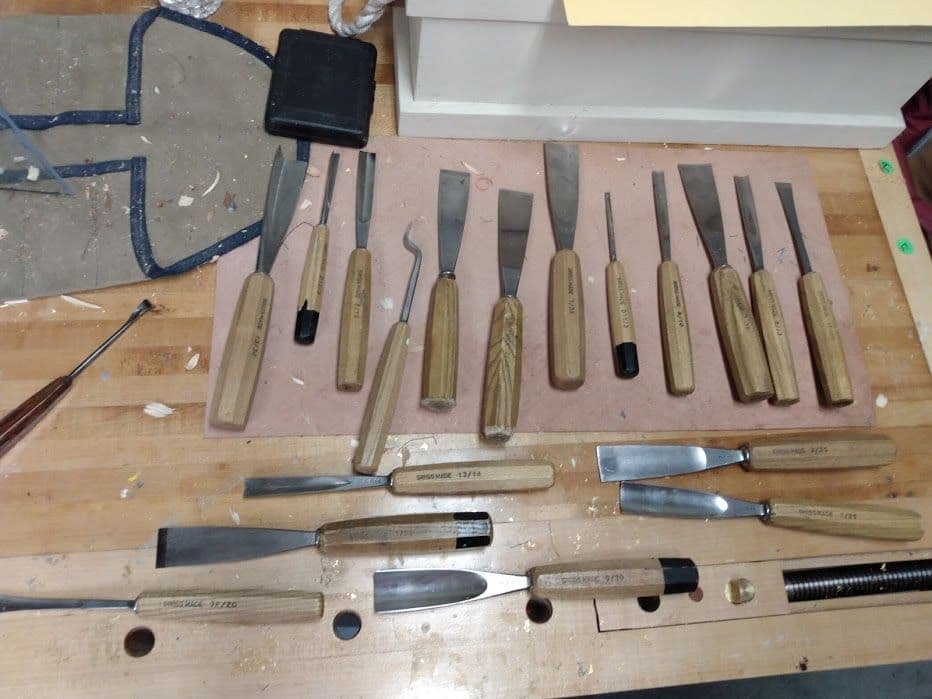
A corner chisel is the small tool for that pocket. The Carbatec double spring corner chisel in the catalogue is one example; a bevel-edge chisel can pare the same corner by hand. We sell these tools. We do not make them. The brand on the card is the manufacturer.
The order of the cut
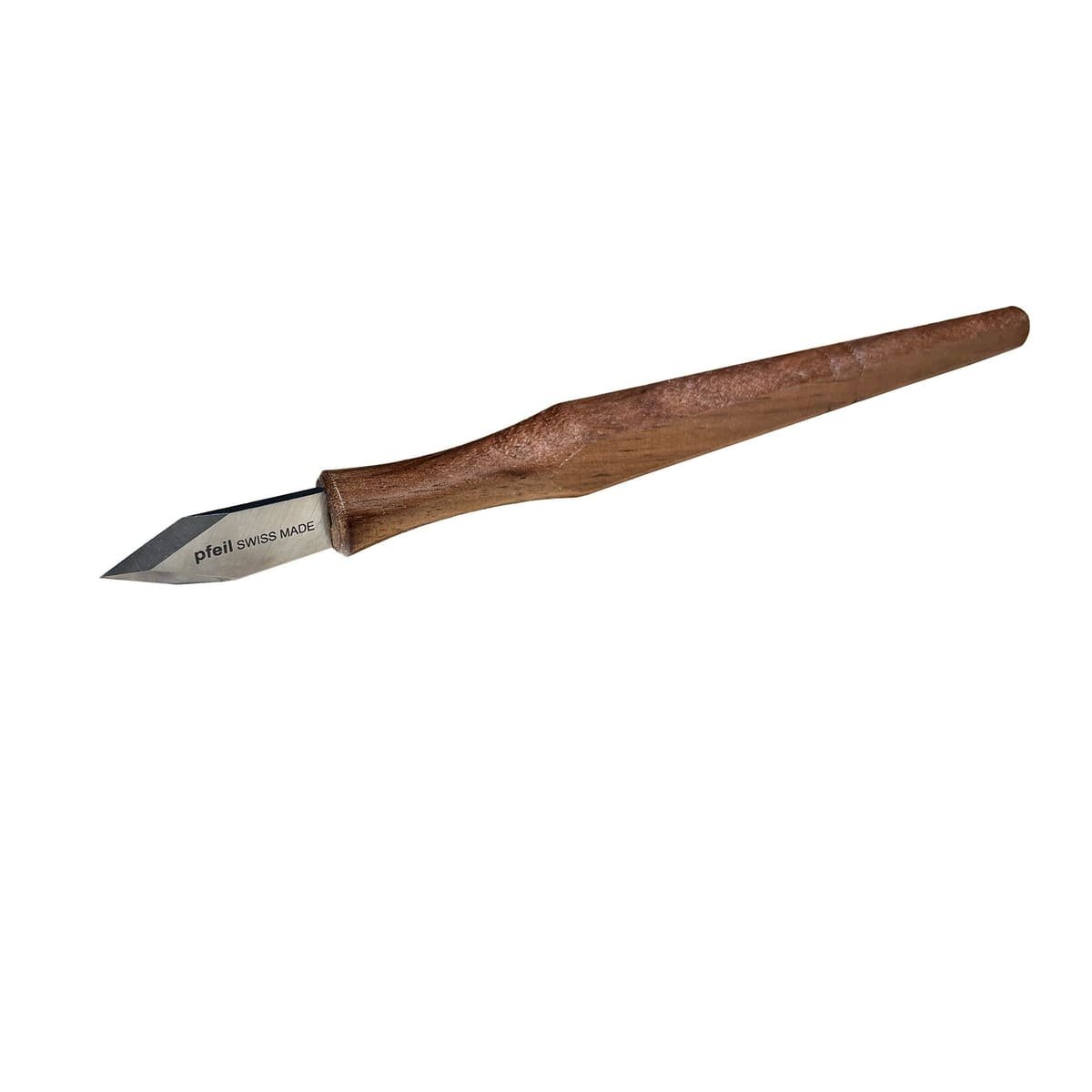
- Set the hinge and mark the leaf with a knife, not a pencil. A pencil line is wider than the gap you are trying to close.
- Chop the depth around the mark and stay inside the line. Pare the waste from the centre toward the line.
- Seat the corner chisel on the round corner and strike it once with a wooden mallet. Do not twist the chisel in the cut — that tears the fibres on soft pine and on a painted architrave.
- Test the leaf. It should sit flush with the edge, not below it. A recess that is too deep makes the hinge bind.
What to strike it with
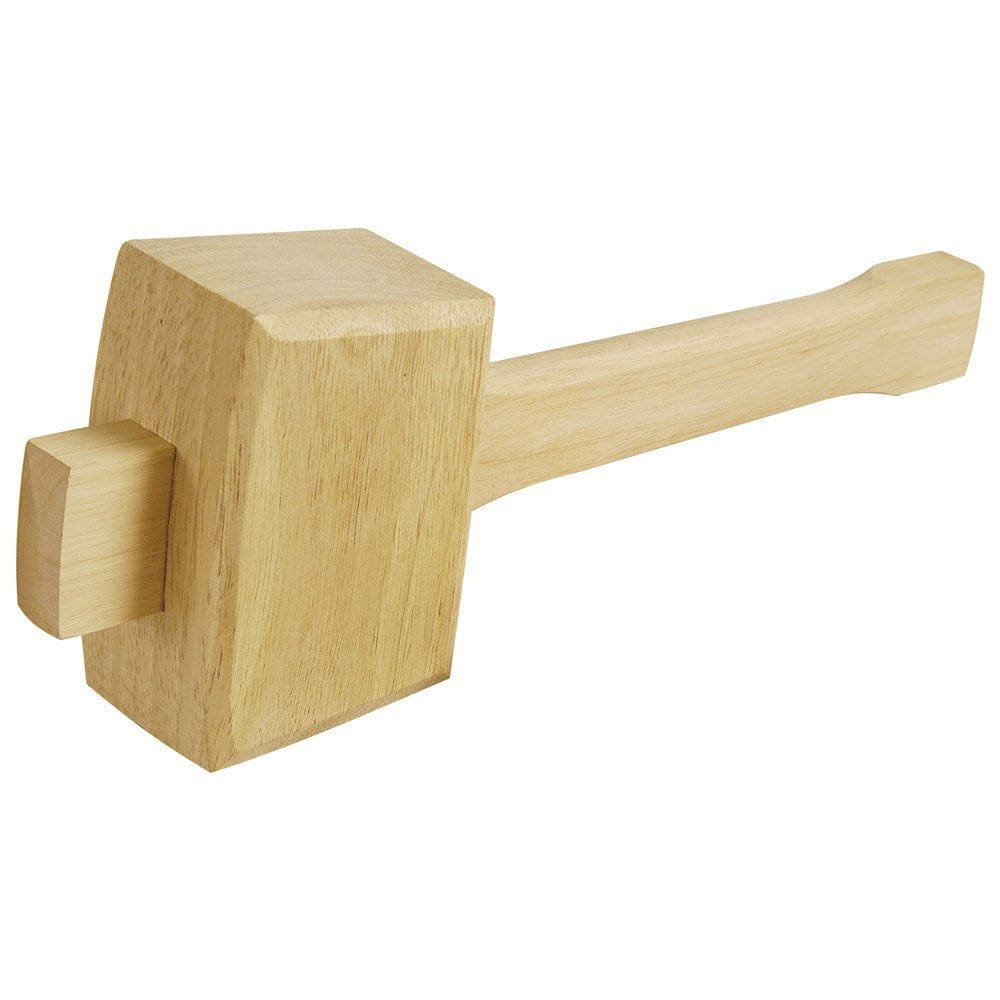
A wooden carpenter’s mallet is the right striker. A steel hammer mushrooms a wooden handle and can chip a thin corner chisel. Both sit in chisels and site extras.
This is for a householder or a small contractor who already intends to hang or rehang a door. If the jamb is rotten or the opening is out of square by more than a hinge can absorb, that is a carpenter’s job, not a chisel job.