Most weekend jobs around an Australian house stall for the same reason: the bag has a drill and nothing that marks, squares or finishes the cut. A loose hinge, a proud plug, a sticking door — these are hand-tool jobs. This note is a buying list from the shop, not a booking desk for a carpenter, and not a claim that we make the tools.
Mark it before you cut it
If the mark is wrong, every later cut follows it. A knife line is narrower than a pencil line, which matters when you are fitting a hinge leaf or a plug. A small square covers doors, skirting and a deck board. A sliding bevel helps when an older weatherboard or fibro house is out of square.
Cut only what the job needs
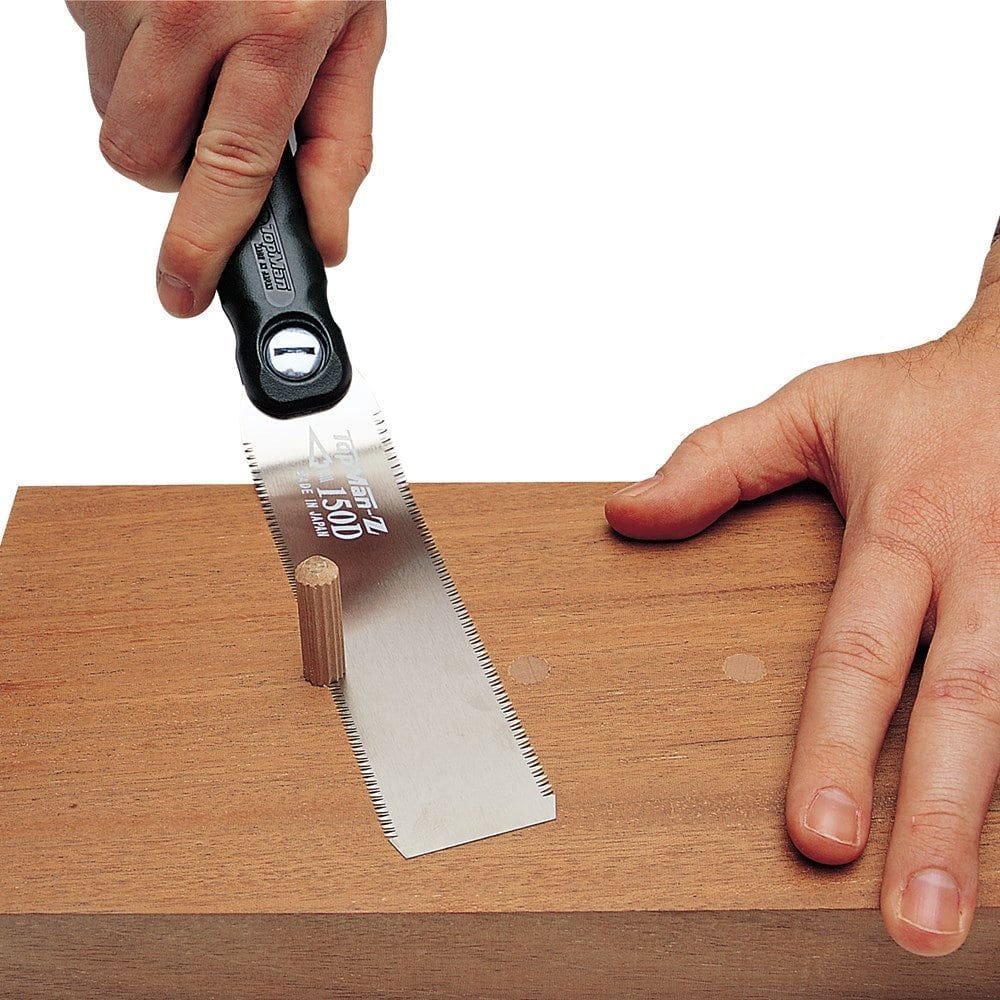
A flush-cut saw trims a proud plug or dowel without chewing the face around it. A Japanese pull saw starts a cut in a tight hallway where a circular saw is a nuisance. Neither replaces a licensed carpenter for structural work. Browse saws if that is the gap in the kit.
Hinges and the square corner
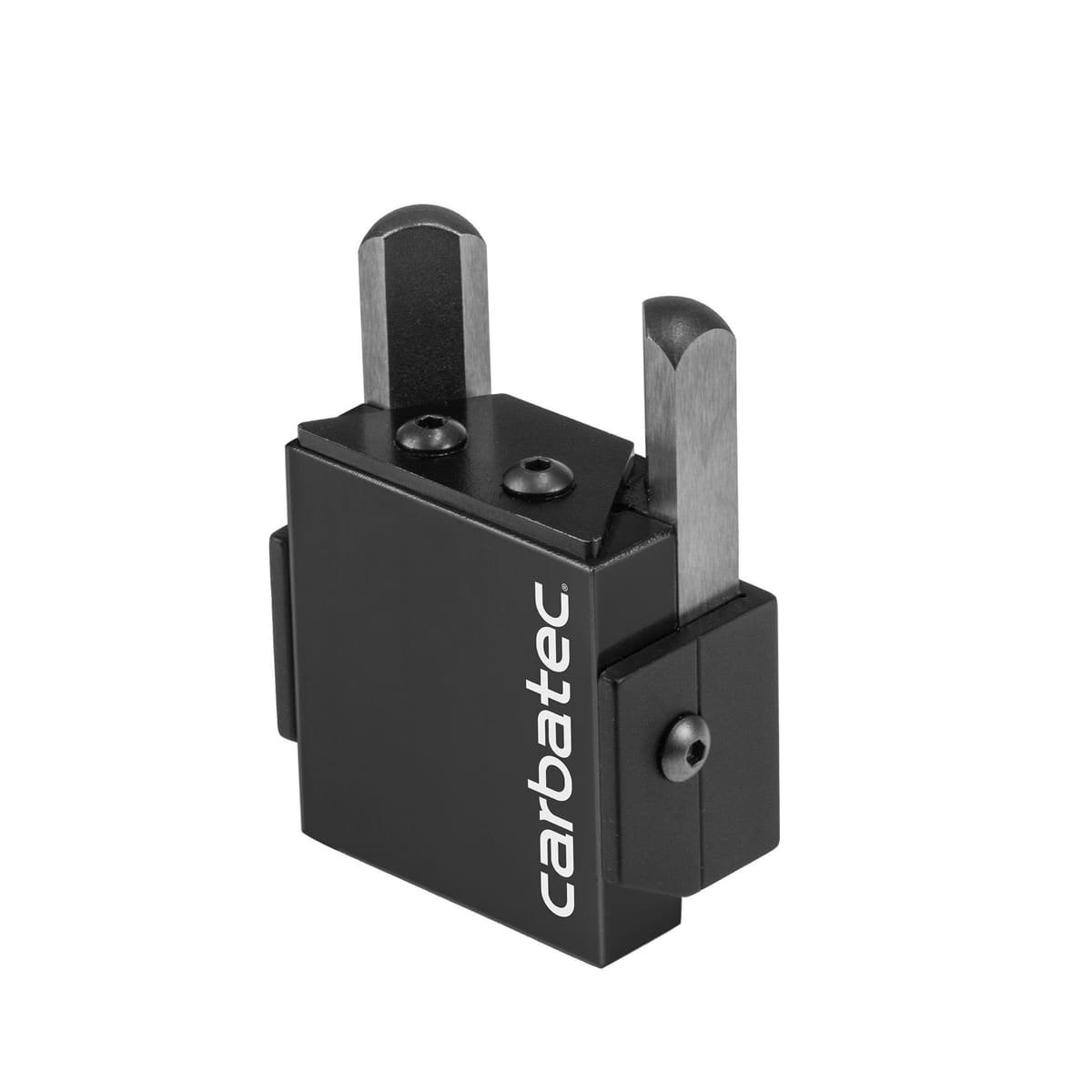
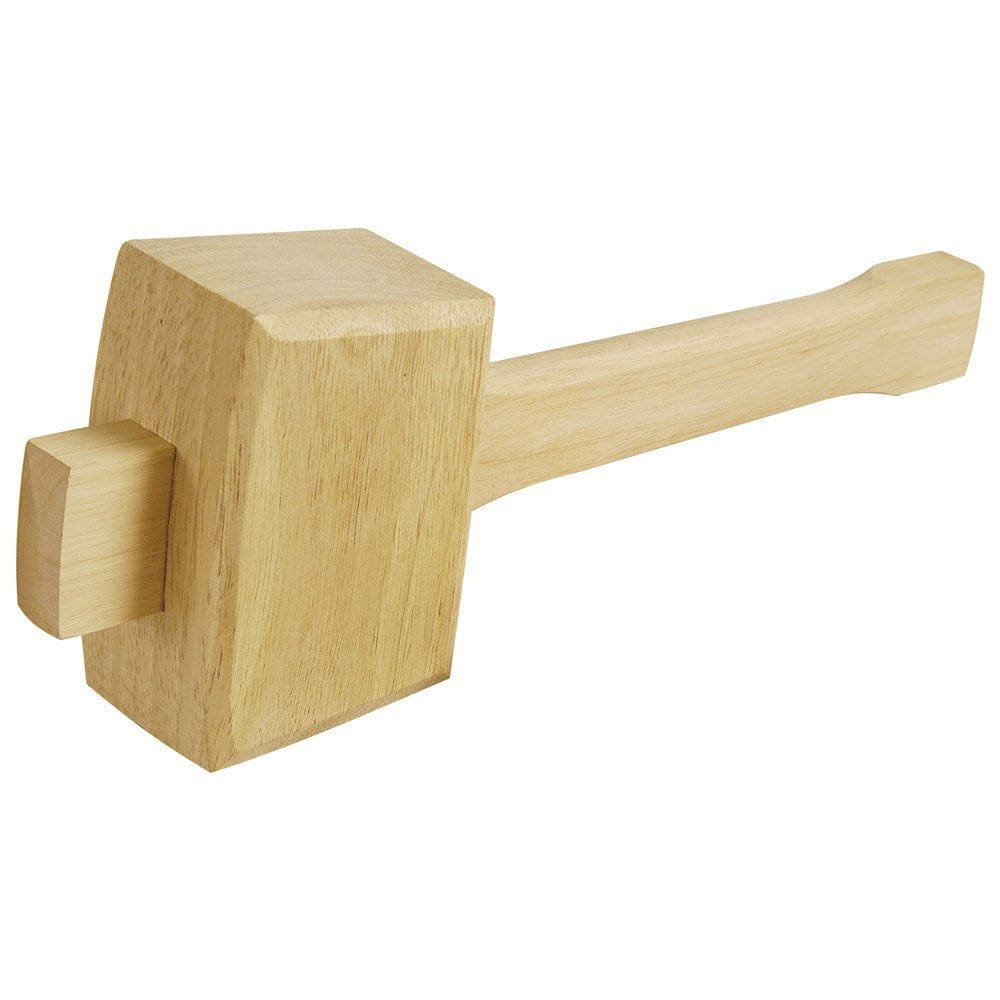
A router bit leaves a round corner. A hinge leaf is square. A spring corner chisel squares that pocket so the leaf sits flat, and a wooden mallet drives it without mushrooming the handle. The chisels and site extras cover that pair.
Then the surface
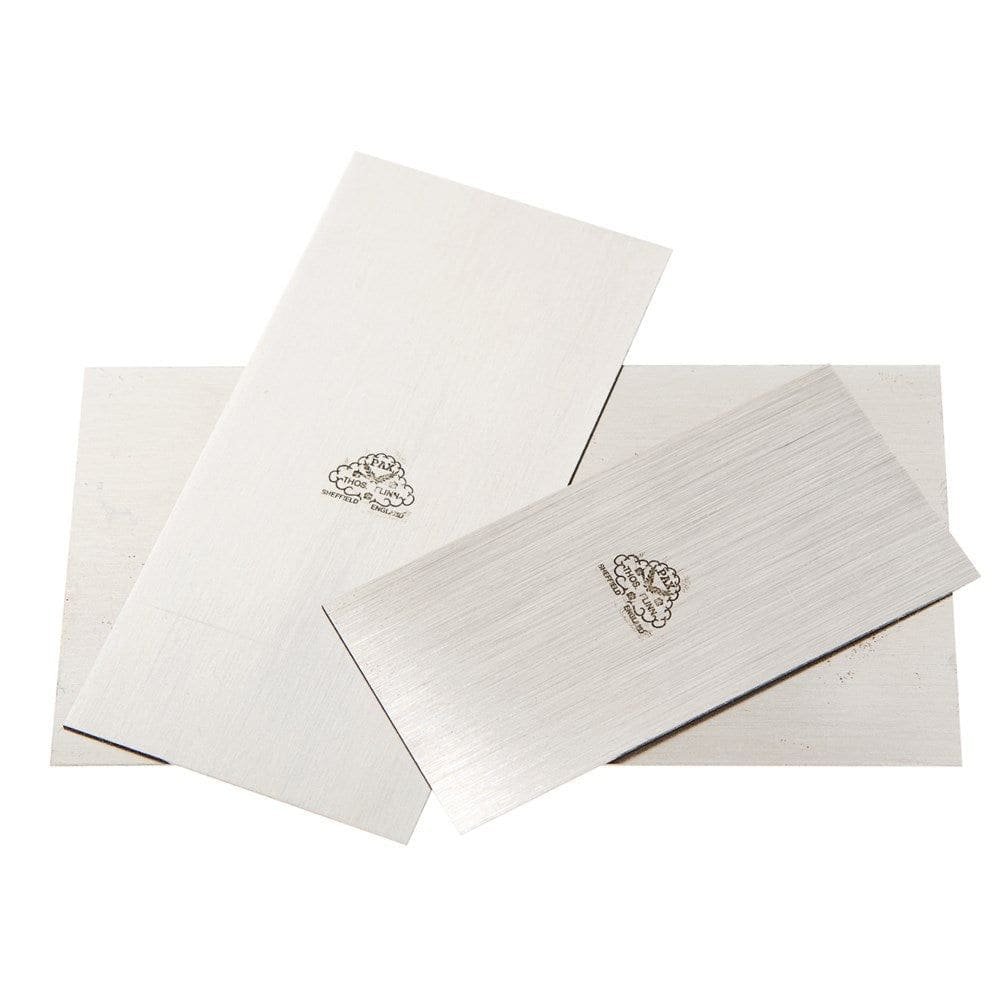
A cabinet scraper takes a paint ridge or a glue smear without loading the way sandpaper does on soft pine. A file or rasp eases one high spot on a sticking door. See scrapers and files and rasps. Add what you need to the kit, enter an Australian address, and place the order. Freight is a flat charge per order, shown before you pay. The brand on each card is the manufacturer.
A longer packing list is on the repair kit guide.