Australian houses move. A door that closed in July can bind in February when the humidity drops, or the other way around on the coast. Before you plane the whole edge, find the high spot.
Close the door on a strip of paper, or look for the shiny rub mark on the paint. That mark is the only place that needs material removed. A rasp or a file takes it without the tear-out a plane can leave on a painted edge, and without the dust of a belt sander in a hallway.
A few strokes, then close the door
Work from the high spot outward. Close the door again. Stop when a piece of paper slides through with light resistance. If you keep going until the door swings free in summer, it will rattle in winter.
Where the rub usually is
- Top corner against the head of the jamb: often seasonal swell in the door or the head.
- Latch side, near the strike: the door has dropped on the hinges. Tightening or packing the hinge screws often fixes it before any timber comes off.
- Bottom edge: a new floor or a swollen threshold, not a reason to attack the latch stile.
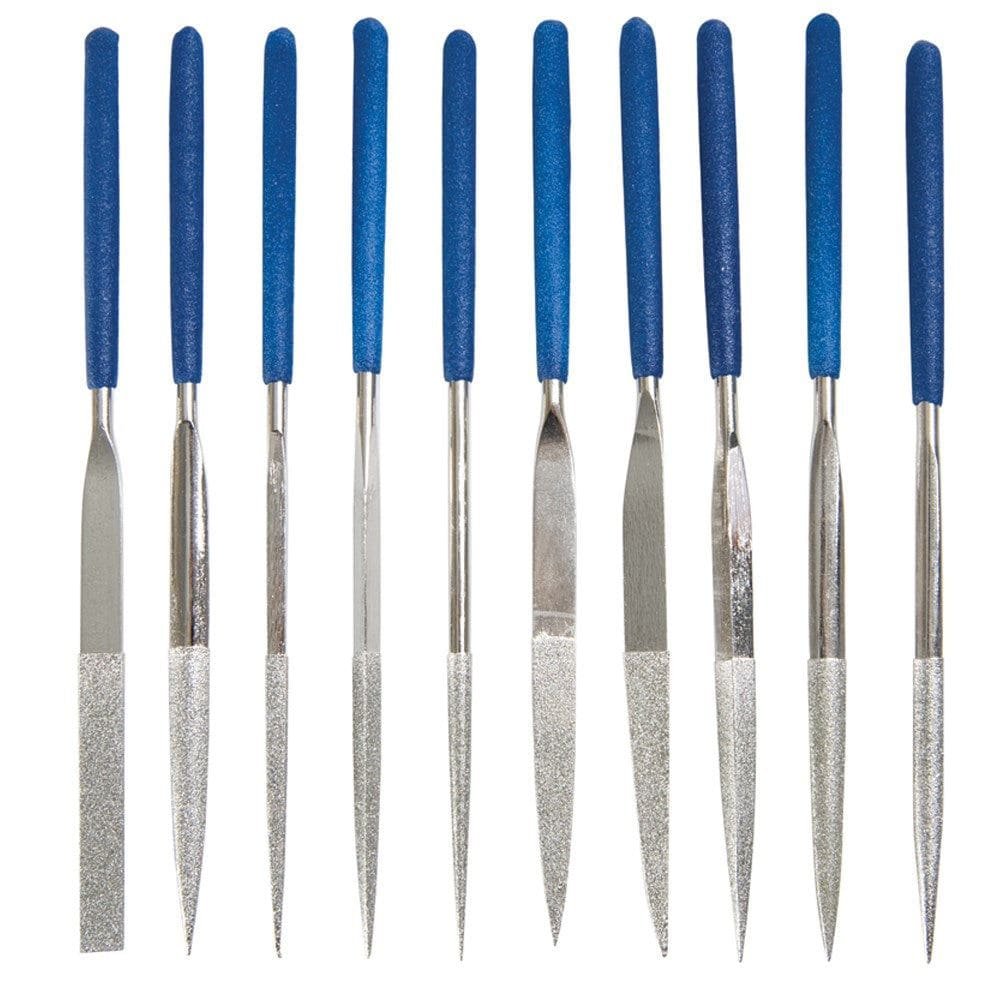
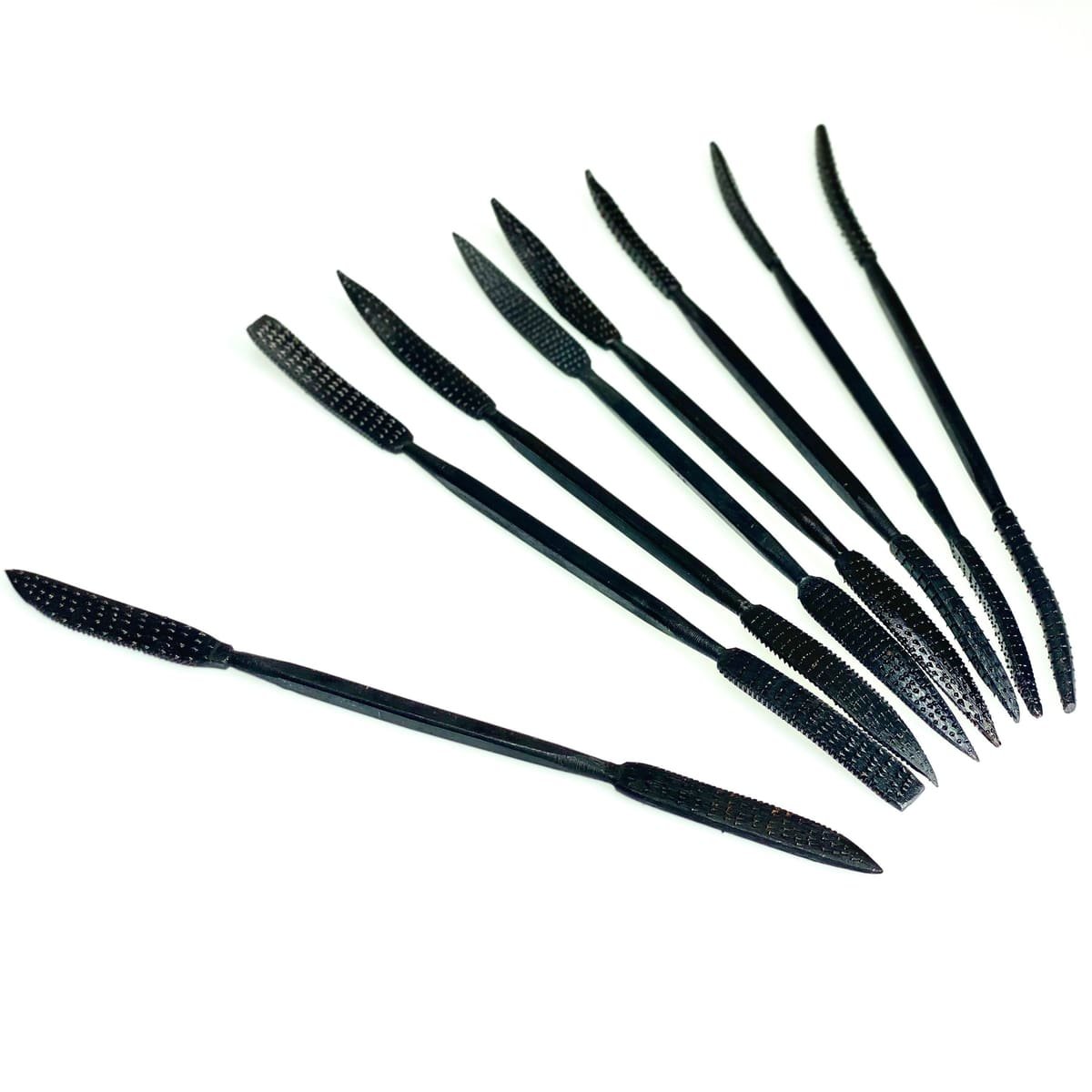
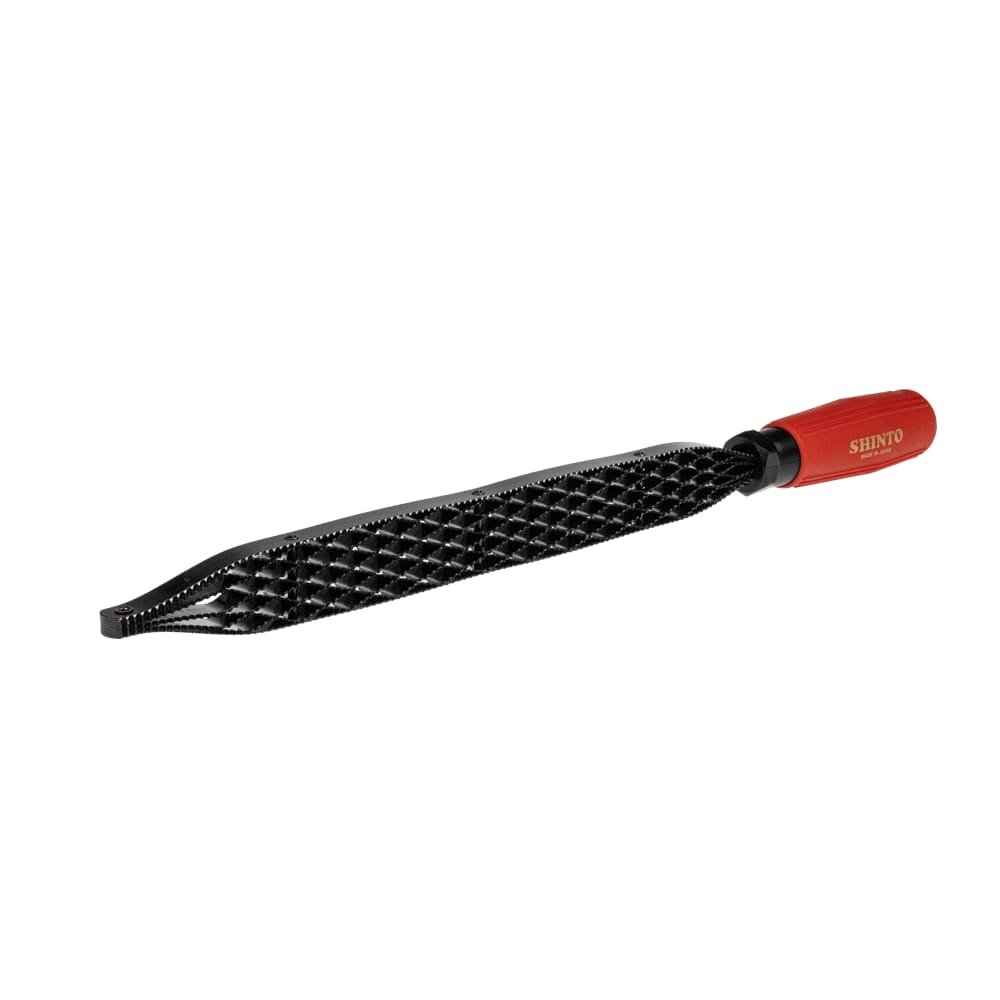
A sticking latch can be the strike plate, not the door. Check that before you rasp the edge. Files and rasps in the catalogue, including Carbatec sets and a Topman saw rasp, are listed under files and rasps. If the jamb is rotten, the hinge screws pull out of the timber, or the door is a fire door, stop. That is not a file job.